An accepted offer sets the transaction in motion. The appraisal checks whether the property supports the value used for the financing. That sounds simple, but a report, a home inspection and a purchase price answer different questions. Here is how the process works, plus what the UAD 3.6 redesign changes for buyers and Realtors.

What does a home appraisal do?
A licensed or certified appraiser develops an independent opinion of value for a defined purpose and date. For a purchase loan, the lender uses the report to help evaluate its collateral. The agreed purchase price is important information, but it does not dictate the appraised value.
The appraiser considers the property, location, condition, improvements and relevant comparable sales. Adjustments help account for differences between properties. A larger house is not automatically worth a fixed amount more per square foot; the local market evidence matters.
Appraisal versus inspection: arrange both when appropriate
An appraisal is not a comprehensive home inspection or a warranty that everything works. A home inspector evaluates systems and condition for the buyer. The appraiser may identify conditions relevant to the assignment or loan program, but an appraisal does not replace an inspection. Review the CFPB’s home inspection guidance when planning your purchase.
The usual path from order to lender review
1. Order: the lender coordinates the assignment under applicable independence requirements. 2. Access and research: the appraiser gathers property and market information using the inspection method required for that assignment. 3. Report: the appraiser documents the analysis and conclusion. 4. Review: the lender checks the report and may ask for clarification, repairs or additional information.
Timing depends on access, appraiser availability, property complexity and review conditions. Some eligible loans may receive an appraisal waiver or another permitted valuation option. Ask which approach applies to your file before assuming that every loan needs the same visit or report.
UAD 3.6: what is changing in 2026?
The Uniform Appraisal Dataset standardizes appraisal information for Fannie Mae and Freddie Mac. UAD 3.6 introduces a redesigned, data-driven Uniform Residential Appraisal Report, replacing separate legacy forms with a report that adapts to the property and assignment. The goal is more consistent, structured property information, not a promise of a higher value or a faster closing. See the agencies’ official UAD resources.
The redesign changes the information appraisers collect and how they report it. Realtors should expect more specific requests for property details rather than relying only on a short listing description. Fannie Mae’s inspection and reporting tips explain differences between legacy reporting and the new report.
The transition dates, including the new exception
As of October 8, 2026: broad production began January 26, 2026. The November 2, 2026 mandate remains in place. However, the September 30 announcement permits approved Sellers with a policy exception to submit new UAD 2.6 reports through May 19, 2027. Mandatory UAD 3.6 use then begins May 20, with legacy pipeline resubmissions allowed through June 27 and UAD 2.6 retirement on June 28, 2027. These are agency submission rules, not a blanket deadline for every mortgage product.
A buyer or Realtor does not apply for this exception. The lender or its investor determines the reporting requirements for the transaction. Ask which version will be ordered and whether transition logistics affect the closing schedule. Read the official September 30 policy exception announcement for the full requirements.
For Realtors: make property information easy to verify
Have the contract, relevant amendments, concession details and factual property records available. Document improvements with dates, permits where applicable and the scope of work. Clarify accessory spaces and any information that may affect how the property is described. Provide market evidence through the lender’s permitted process without pressuring the appraiser toward a number.
Build the appraisal into the transaction calendar. Arrange access, respond to factual questions promptly and flag discrepancies early. UAD 3.6 is a reporting redesign; it does not eliminate appraisal independence or turn an agent’s opinion into the appraiser’s conclusion.
For homebuyers: know the next decision if value comes in low
A low appraisal can change the loan-to-value calculation. Depending on the contract and financing, you may discuss a price adjustment, additional cash, another loan structure or your contractual options with your agent and our team. Do not assume a second appraisal will be available or produce a different result.
If there is a factual error or relevant comparable sale that appears to have been missed, ask about the lender’s reconsideration-of-value process. Provide specific evidence. A disagreement with the conclusion alone is not evidence that the report is wrong.
Questions worth answering
Does UAD 3.6 automatically increase my home’s value?
No. It changes data collection and reporting. Value still comes from the appraiser’s analysis of the property and market evidence.
Will every appraisal change on November 2, 2026?
Not every product follows the same agency rules, and approved policy exceptions allow a limited transition period. Confirm the requirements with your lender.
Can seller credits help cover an appraisal gap?
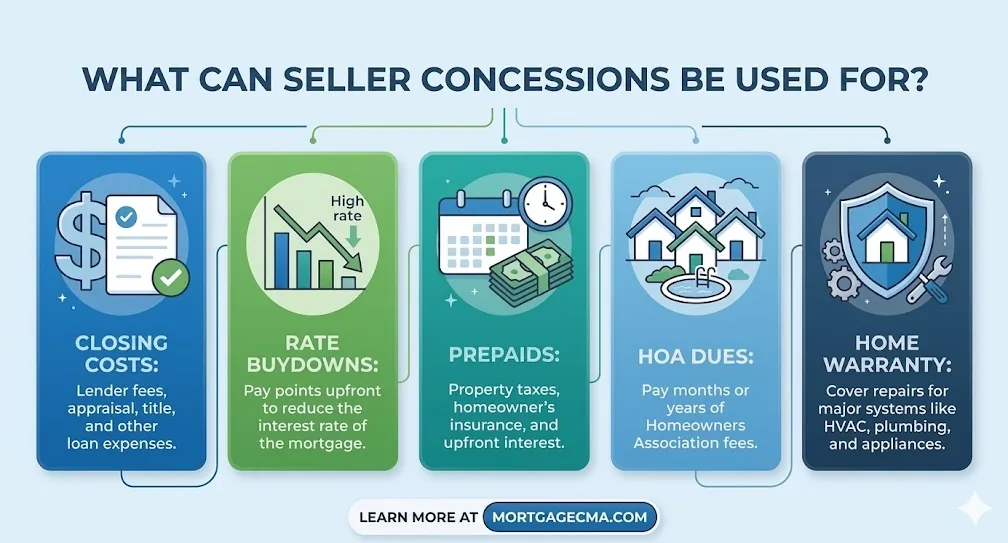
A seller closing-cost credit is not a direct substitute for the buyer’s required down payment or an appraisal-gap payment. Ask your agent and lender to review any proposed contract change before relying on it.
Should I prepare differently for the appraisal?
Provide access and accurate property information. Realtors can organize improvement records and supporting documentation. Buyers should confirm the valuation requirements and leave time for lender review.
Keep the appraisal connected to the financing plan
Our team can explain how value, down payment and loan structure fit together before the appraisal becomes an urgent closing question. Talk with Cederholm Mortgage Advisors or explore our homebuying guidance.
Updated October 8, 2026. UAD timing reflects the official September 30, 2026 announcement; confirm current requirements for your transaction.
*Information, scenarios, and calculations are for educational and illustrative purposes only, not a loan offer, a commitment to lend, a rate quote or an approval. Programs, costs and qualification requirements depend on the borrower, property, selected lender and current guidelines. Examples are not guaranteed results. Our team can review the details for your situation.