 Conventional
Explore as little as 3-5% down payments, mortgage insurance, and flexible property choices with Fannie Mae and Freddie Mac.
These mortgage FAQs explain common questions about buying a home, comparing mortgage options, refinancing, and accessing home equity in Colorado. Cederholm Mortgage Advisors covers pre-approval, down payments, closing costs, mortgage insurance, and the trade-offs to consider before choosing a loan. Use these answers to prepare for a conversation about your own financing goals.
Ready to understand the next steps? Follow our mortgage loan process from the first financing conversation through closing.
Start with your own readiness: a comfortable payment, funds for closing and emergencies, job and income stability, and how long you expect to stay. Waiting for a particular rate or price is uncertain. Compare buying now with continuing to rent using realistic costs, and avoid relying on a future refinance to make today’s payment affordable.
Compare your full housing cost with take-home income, other debts, savings and regular spending. The amount a lender approves is not necessarily the payment you want. Include taxes, insurance, mortgage insurance, HOA dues and property-specific charges.
It depends on the program, occupancy and borrower. Some eligible programs permit a low or no down payment. Compare mortgage insurance, closing costs, reserves and the payment together instead of assuming 20% is always required.
Minimums and pricing vary by loan program and lender. The whole credit profile, income, debts, assets and property matter. Review your credit early and discuss changes before opening or closing accounts.
Prequalification is often an initial estimate. Preapproval involves a more detailed review, but lender definitions and conditions vary. Neither replaces final underwriting and property approval.
Common items include identification, income records, asset statements and information about debts. Self-employment, rental income, gifts or unusual deposits can require additional documentation. Use the secure channel requested by the lender.
A fixed rate keeps principal and interest generally steady. An ARM can change after its initial period. Review the index, margin, caps and the payment you could face if you keep the loan longer than expected.
The interest rate determines the interest charged on the balance. APR includes certain financing costs expressed annually. Review both and compare Loan Estimates using the same loan amount, structure and timing.
Points are an upfront cost that may reduce the rate. Compare the monthly benefit with the cost and how long you expect to keep the loan. Ask for a comparable option without points.
Discuss your closing date, lock period and the costs of extensions or changes. A lock has conditions and an expiration. Confirm what is locked in writing rather than relying on a headline rate.
Closing costs include lender and third-party charges. Cash to close also reflects down payment, deposits, credits and prepaid items. Review the Loan Estimate and final Closing Disclosure, and verify wiring instructions through a trusted channel.
No. An appraisal supports value and lending requirements. An independent inspection helps evaluate the property’s condition. They answer different questions.
Principal and interest are generally fixed, but taxes, homeowners insurance, mortgage insurance and other housing costs can change. An escrow review may change the total amount collected each month.
Rules vary by loan type. Conventional PMI may be cancellable when applicable requirements are met. FHA mortgage-insurance duration follows different rules. Ask about your actual loan instead of assuming all insurance ends at the same equity level.
Compare closing costs, payment, remaining term, total interest and the time you expect to keep the loan. A lower payment by itself does not prove savings, especially when the term is extended.
There is no universal one-percent or two-percent rule. Compare the specific costs and benefits. A term change, mortgage-insurance change or other goal can matter as much as the rate difference.
A simple starting estimate divides relevant refinance costs by monthly savings. Also review loan term, remaining balance, financed costs and your expected time in the loan. A payment-only calculation does not capture every difference.
Compare replacing your first mortgage with adding a separate lien. Review rates, fees, payment changes, draw and repayment periods, and total costs. Each uses your home as collateral, so a repayment plan matters.
It depends on the existing loan, proposed program, property and lender requirements. Some streamline or other refinance paths have different rules, but none is automatic approval. Review the current mortgage statement and goals individually.
Compare total costs and repayment discipline, not just a smaller monthly payment. Moving unsecured debt into a home-secured loan puts the property behind that debt. Plan how you will avoid rebuilding the balances.
Explore the CFPB mortgage questions and answers, its private mortgage insurance explanation, and the refinance planning worksheet. Then bring your own numbers to a conversation.
Explore more resources for your financing decision.
Compare home purchase, refinance, equity and specialty financing paths. Start with the guide that fits your goal, then review the borrower and property requirements.
ConventionalExplore as little as 3-5% down payments, mortgage insurance, and flexible property choices with Fannie Mae and Freddie Mac.
 FHA
FHAReview lower FHA credit limit options, as low as 3.5% down payment, and get into homeownership vs renting.
 VA
VALearn the benefits and eligibility for qualified military service members, veterans and spouses with a possible zero-down option for eligible borrowers.
 USDA
USDACheck how rural property location and household income affect USDA options to qualify for little to no money down.
 Jumbo
JumboLearn how larger loan amounts above conforming loan limits change the documentation and reserves needed.
 Non-QM / Alternative Financing
Explore Non-QM alternative financing paths outside standard guidelines for self-employed, 1099, variable income, etc.
 Reverse Mortgage
Review how reverse mortgages (HECM) work for purchase or refinance and the ongoing homeowner obligations.
 HELOC / Home Equity
Compare options to access your home equity to consolidate debt, make home improvements, buy a second home, etc.
 Down Payment Assistance
We can help you find Colorado assistance programs to help you as a first-time homebuyer with little to no money down.

Explore first-lien HELOC financing that pairs home debt with cash-flow account features, compare daily-balance interest, deposits, withdrawals and repayment discipline.

Compare rental purchase and refinancing options, including DSCR and short- or long-term rental considerations.
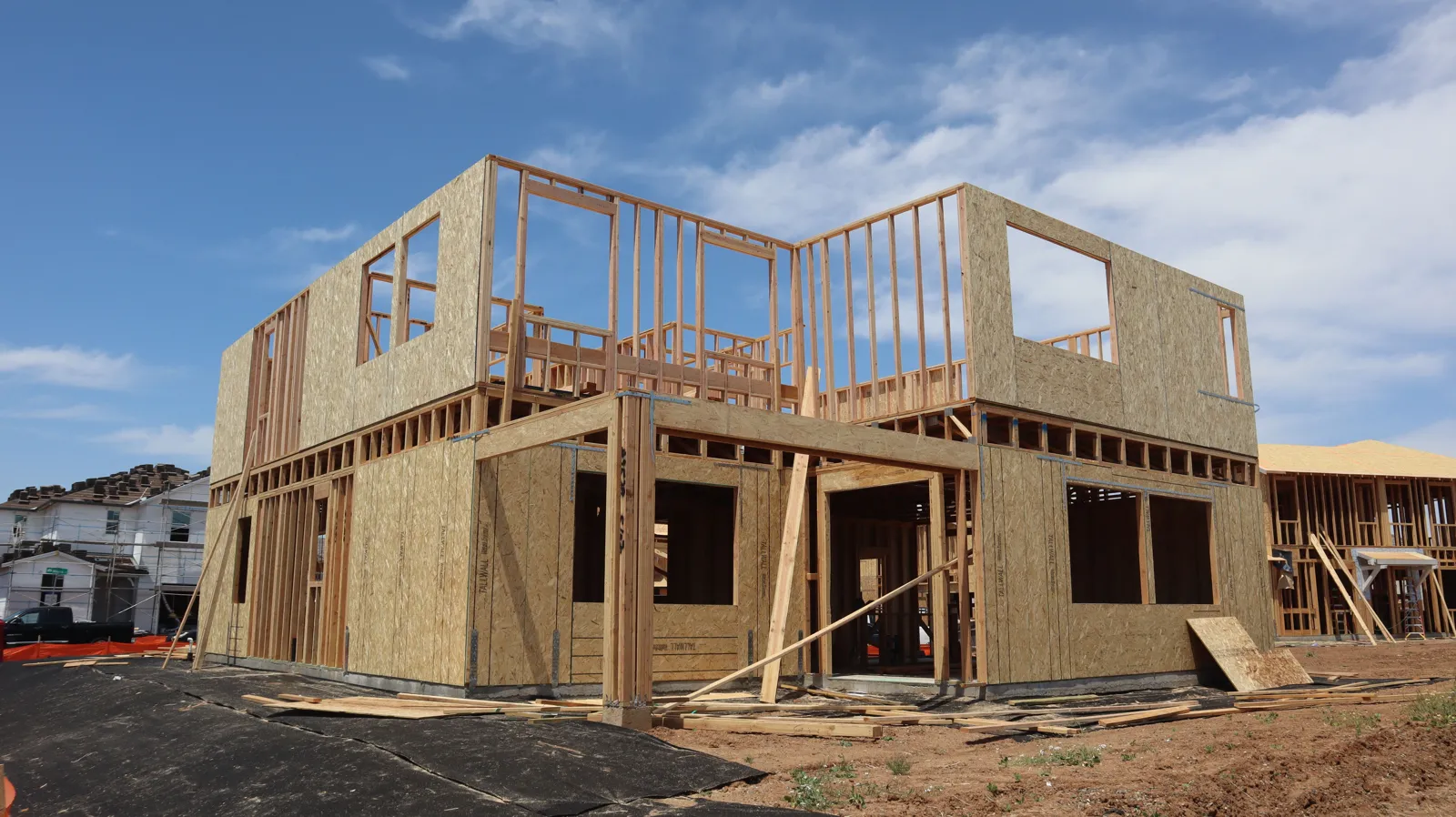
Plan construction draws, builder coordination and one-time-close or two-close financing.

Review acquisition, renovation funds, short-term repayment and your sale or refinance plan.

Check build timing, access, utilities and the differences between raw land and a prepared homesite.

Explore multifamily, standalone buildings and individual commercial sites with property-specific underwriting.
Bring your goals and a property address if you have one. Paul Cederholm, mortgage expert and real estate financing strategist, can help you compare the financing choices and plan your next step.
Ready to begin? Start your loan application. Prefer a direct conversation? Call 303-931-6798.