
Appraisal Value – how is it determined, and what does it mean?
Real estate appraisal value is an important part of the home-buying process. An appraisal is an unbiased estimate of the value of a property, based on a professional opinion of the property’s condition and market value. Appraisals are used to determine the fair market value of a property, which is the price a buyer and seller would agree on if the property were to be sold in an open market.
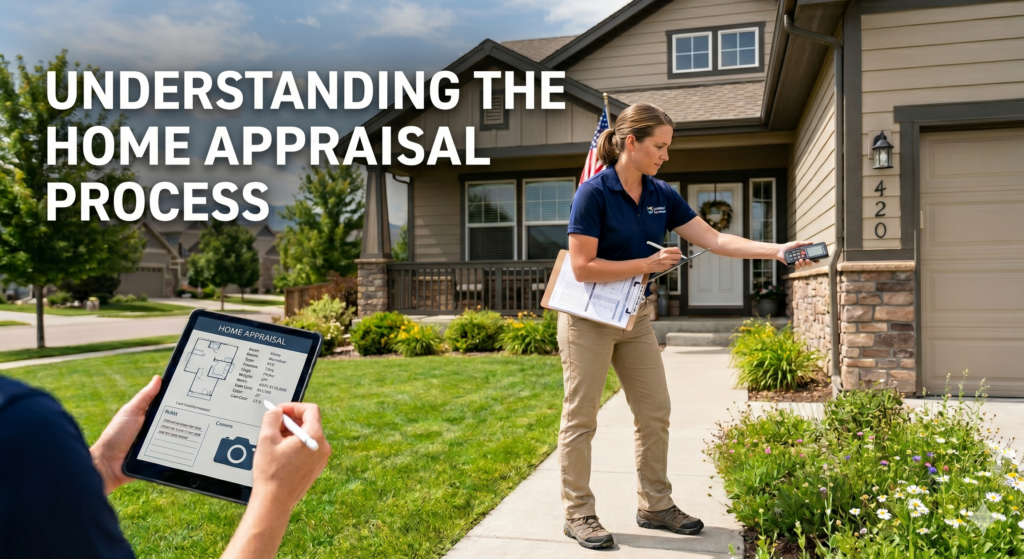
What is a Home Appraisal?
At its core, an appraisal is an unbiased professional opinion of a property’s value. Unlike a Zestimate or a quick look at neighborhood listings, an appraisal is a formal report conducted by a licensed professional who has been specifically trained to evaluate real estate.
Appraisers don’t just “guess” what a house is worth; they use a combination of three standardized methods:
- Market Analysis (Sales Comparison): Comparing the home to similar properties that have recently sold nearby.
- Cost Approach: Estimating how much it would cost to rebuild the structure from scratch, minus depreciation.
- Income Approach: Used primarily for investment properties, this calculates value based on the potential rental income the property generates.
Why Does the Appraisal Matter?
You might wonder why we need a formal appraisal if the buyer and seller have already agreed on a price. The reality is that the appraisal serves several critical functions:
1. It Protects the Lender
If you are financing your home, the bank wants to ensure they aren’t lending you $500,000 for a house that is only worth $450,000. The property serves as collateral for the loan; if you were to default, the bank needs to know they can sell the home to recoup their investment.
2. It Confirms Your Equity
For the buyer, the appraisal is a reality check. If the home appraises for more than your purchase price, you’ve gained instant equity. If it appraises for less, it gives you a data-backed reason to renegotiate the price with the seller.
3. It Highlights Property Health
While not as deep as a home inspection, an appraiser looks at the overall condition and features of the home. They note significant upgrades (like a new roof or a finished basement) and identify “red flag” issues that might affect the home’s long-term value or safety.

Appraisers primarily rely on three distinct methods
Sales Comparison Approach (Market Approach)
The most common method used to determine a property’s value is the market analysis approach. This approach involves comparing the subject property to similar properties that have recently sold in the area. The appraiser will look at the features of the subject property, such as size, condition, and location, and compare them to similar properties that have recently sold. The appraiser will then adjust the value of the subject property based on any differences between the two properties.
Sales Comparison Approach (Market Approach)
This is the “gold standard” for residential real estate. The appraiser looks at recently sold properties (known as “comps”) that are similar in size, condition, and location to the home being appraised.
Best For: Standard single-family homes in neighborhoods where there is plenty of recent sales activity.
The Process: The appraiser identifies at least three comparable homes that sold within the last 3–6 months.
Adjustments: Since no two houses are identical, the appraiser makes dollar-amount adjustments to the sales price of the comps. For example, if a comp has a finished basement and your home doesn’t, they subtract value from that comp to match your property.
Cost Approach
This method calculates what it would cost to completely rebuild the home from scratch at today’s prices. This approach involves estimating the cost to replace the property with a similar structure. The appraiser will look at the cost of materials, labor, and other costs associated with building a similar structure. The appraiser will then adjust the value of the subject property based on any differences between the two properties.
Best For: New construction, unique properties that don’t have many local “comps,” or special-purpose buildings like schools or hospitals. It is also a great reality check during periods of high inflation in building materials.
The Process: The appraiser estimates the value of the vacant land, adds the current cost of labor and materials to construct the building, and then subtracts depreciation (loss in value due to age or wear and tear).
Income Capitalization Approach
This method is used when the property is viewed primarily as a vehicle for generating revenue. The income approach is used to determine the value of income-producing properties, such as rental properties or commercial buildings. This approach involves estimating the potential income that the property could generate. The appraiser will look at the rental rates for similar properties in the area, as well as the expenses associated with owning and operating the property. The appraiser will then adjust the value of the subject property based on any differences between the two properties.
Best For: Multi-family homes (duplexes, fourplexes), apartment buildings, and commercial real estate.
The Process: The appraiser estimates the potential rental income the property can produce, subtracts operating expenses, and applies a “capitalization rate” (cap rate) to determine the present value.
In most cases, your appraisal report will actually include both the Sales Comparison and the Cost Approach, but the appraiser will give the most “weight” to the Sales Comparison approach. If you are buying a rental property, the Income Approach (via a Small Residential Income Property Appraisal Report) will likely be added to the mix.
The Bottom Line
The appraisal is the “safety net” of the real estate world. It ensures that the price being paid is supported by the physical reality of the home and the current state of the market. By providing an objective valuation, the appraiser brings stability and transparency to one of the biggest financial decisions you’ll ever make.
Real estate appraisals are an important part of the home-buying process. Appraisals are used to determine the fair market value of a property, which is the price a buyer and seller would agree on if the property were to be sold in an open market. Appraisals are conducted by licensed professionals who use a variety of methods to determine the value of a property, including market analysis, cost approach, and income approach. By understanding how appraisals are conducted, buyers and sellers can make informed decisions when buying or selling a property.
If you’re interested in learning more about how a real estate appraisal value is determined, please schedule a free consultation here and get started on your home journey! With the right knowledge, you can make sure you get the best value for your property.
References:
Freddie Mac: Understanding Property Appraisals: Definition, Types, and Process
Understanding Seller Concessions and Credits for Home Buyers